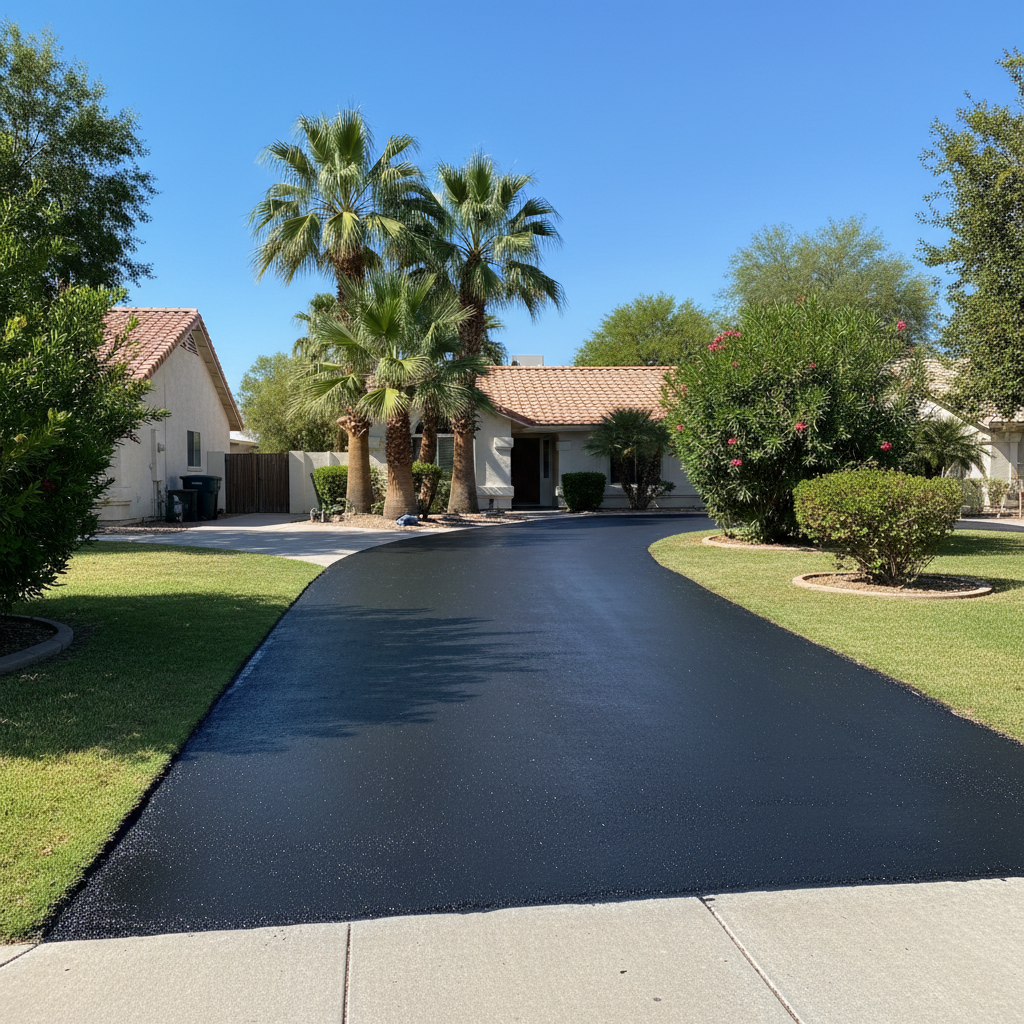
Alright, let's talk sealcoating. It’s one of those maintenance jobs that seems simple enough, but I’ve seen plenty of folks around El Mirage get it wrong. And when you get it wrong, it doesn't just look bad; it can actually hurt your driveway or parking lot in the long run. As someone who’s been in this business for years, running El Mirage Asphalt Paving, I’ve seen the good, the bad, and the downright ugly. So, let’s go over the common mistakes you need to watch out for.
Mistake #1: Hiring the Cheapest Bidder Without Doing Your Homework
This is probably the biggest one. Everyone wants to save a buck, I get it. But with sealcoating, the cheapest bid often comes with hidden costs or, worse, a terrible job that fails quickly. You’ve got guys who roll into town after a rainstorm, knock on doors, and offer ridiculously low prices. They’re usually using watered-down material, or they’re not prepping the surface right. They'll spray it on, take your cash, and be gone before you realize what hit you. You won't find them when your driveway starts flaking in six months.
Always ask for references. Check their online reviews. Make sure they’re licensed and insured. A legitimate contractor isn't afraid to show you proof of their work and their credentials. If they're pushing for cash only and can't provide basic business info, that's a huge red flag.
Mistake #2: Not Understanding the Importance of Proper Surface Preparation
Sealcoating isn't just about slapping black stuff on your asphalt. The prep work is probably 70% of the job. If the surface isn't clean, if cracks aren't filled, or if oil stains aren't treated, that sealcoat isn't going to stick. It’ll peel, crack, and wear away much faster than it should. I’ve seen driveways in places like Sundial where folks thought they were getting a deal, only to have the sealcoat come right off with the first monsoon rain because the surface wasn't cleaned properly.
- Cleaning: We're talking about power washing, sweeping, and blowing off all dirt, dust, and debris.
- Crack Filling: All cracks need to be cleaned out and filled with hot rubberized crack filler. Sealcoat isn't a crack filler.
- Oil Stain Treatment: Oil and grease repel sealcoat. These areas need to be primed or treated, or the sealcoat won't adhere.
If a contractor tells you they can just spray over everything, walk away. They’re cutting corners, and you’ll pay for it later.
Mistake #3: Choosing the Wrong Type or Quality of Sealcoat Material
Not all sealcoats are created equal. There are different types, primarily coal tar emulsion and asphalt emulsion. Coal tar has traditionally been more durable and resistant to chemicals, but asphalt emulsion has come a long way and is often preferred for environmental reasons and flexibility. The key is the quality and concentration of the material. Some contractors will dilute their sealcoat with too much water to stretch it further, which drastically reduces its effectiveness and lifespan.
Ask your contractor what kind of material they use and if they mix it on-site or use a pre-mixed product. A good contractor will be transparent about their materials and won't hesitate to explain why they use what they use. You want a product that's designed to protect against UV rays and the harsh El Mirage sun, which can really bake asphalt and make it brittle over time.
Mistake #4: Not Waiting for the Right Weather Conditions
This might seem obvious, but you’d be surprised. Sealcoat needs specific temperatures and dry conditions to cure properly. If it’s too cold, too hot, or if rain is on the way, the sealcoat won't bond right. Applying sealcoat when the temperature is below 50°F or if there's a chance of rain within 24-48 hours is a recipe for disaster. It won't cure, it'll track, and it'll wear off quickly.
A reputable contractor, like us at El Mirage Asphalt Paving, will schedule your job when the weather forecast is clear and the temperatures are appropriate. We’ll even reschedule if an unexpected cold front or rain system rolls through, because getting it right the first time saves everyone a headache.
Mistake #5: Not Allowing Adequate Curing Time Before Driving On It
You’ve invested in protecting your asphalt, and now you want to use it. I get it. But patience is crucial here. Most sealcoats need at least 24-48 hours to cure before you can drive on them. In cooler or more humid conditions, it might even be longer. Driving on it too soon will leave tire marks, scuff the fresh coating, and compromise its protective layer. It's like painting a wall and then rubbing against it before it's dry – you just mess up the finish.
Your contractor should give you clear instructions on how long to stay off the surface. Follow them. It’s a small inconvenience for a much longer-lasting, better-looking driveway.
Look, sealcoating is a smart investment for your asphalt. It protects it from the elements, extends its life, and keeps it looking sharp. Just make sure you're avoiding these common pitfalls, and you’ll be much happier with the results.