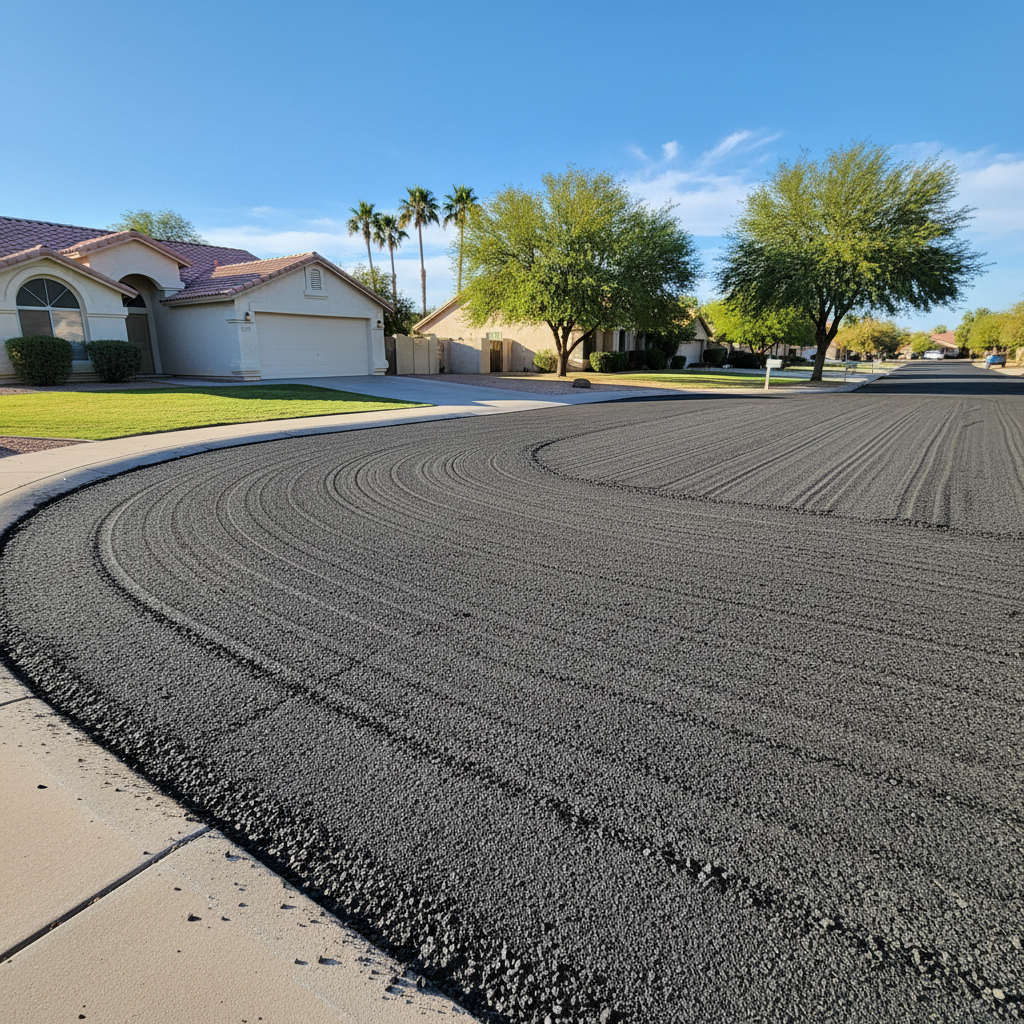
So, you're thinking about asphalt milling for your place here in El Mirage. Maybe your driveway's seen better days, but a full tear-out and repave just isn't in the budget right now. Milling can be a smart, budget-friendly solution, giving you a fresh, stable surface without the big expense of brand-new asphalt. But what does that actually involve? Let's dig into it.
Understanding the Timeline: What to Expect
First things first, don't expect this to happen overnight. There's a process, and knowing it helps you plan ahead. From your first call to the finished product, here’s a rough idea of the timeline:
- Initial Contact & Site Visit: You give us a call, and we'll set up a time to come out. We'll check out your existing asphalt, measure everything, and talk about what you're hoping to achieve. This usually happens within a few days to a week after your call.
- Quote & Contract: We'll get you a detailed quote, typically within a few days of our visit. Once you give it the green light, we'll draw up a contract. Make sure you read it carefully!
- Scheduling the Work: This part can vary a bit. Depending on how busy we are and the time of year (we try to avoid the absolute peak of summer when the asphalt gets too soft to mill efficiently, especially in areas like the Dysart Road corridor), it could be anywhere from 2-6 weeks out. We'll give you a firm start date, though.
- Project Execution: For most residential milling jobs, the actual work might take just one day or stretch into a few. It really depends on the size of the area. We're talking about bringing in heavy equipment, so it's definitely not a quiet process.
- Curing & Follow-up: Once the milling is done and any new asphalt or sealcoat is put down, there's a curing period. We'll tell you exactly when you can drive on it, but generally, give it a few days for light traffic and a week or more for heavier vehicles.
What Happens During the Milling Process?
When we show up on the scheduled day, here’s the general flow of things:
- Site Preparation: We'll mark off the areas that need milling, make sure any utilities are clearly identified, and clear away any debris.
- Milling Machine at Work: This is the main event. A large machine, sometimes called a cold planer or milling machine, will come in and grind up the top layer of your old asphalt. It's got a big rotating drum with teeth that basically chew up the old pavement. It removes a precise depth, usually 1-4 inches, depending on the condition and what we're trying to accomplish.
- Material Collection: As the machine mills, a conveyor belt typically loads the removed asphalt (which we call 'millings' or 'RAP' – Reclaimed Asphalt Pavement) straight into dump trucks. This material often gets recycled, which is a real environmental bonus.
- Cleanup & Grading: Once the milling is finished, we'll clean up the area, getting rid of any loose debris. The surface will be rough, almost like a gravel road, but it's graded to make sure water drains properly.
- Optional Overlay/Sealcoat: Often, milling is followed by a new layer of asphalt (an overlay) or a sealcoat to protect the newly exposed surface and give it a fresh look. If you're just using the millings as a base, we'll compact them thoroughly.
How to Prepare Your Property
You've got a part to play too! A little prep on your end makes things run smoother for everyone:
- Clear the Area: Move your cars, boats, RVs, trash cans, planters, and anything else off the driveway or project area. We really need a clear path for our equipment.
- Trim Overhanging Branches: If you've got low-hanging tree branches that might get in the way of tall equipment, give them a trim.
- Secure Pets & Children: This is a construction zone, after all. Keep kids and pets safely inside or well away from the work area.
- Inform Neighbors: It's going to be noisy, and there will be heavy trucks coming and going. A heads-up to your neighbors goes a long way.
- Mark Sprinkler Heads & Other Buried Lines: While we're careful, it's always best to clearly mark any underground sprinkler heads, invisible dog fences, or shallow utility lines near the work zone.
Questions to Ask Before Signing That Contract
Don't just sign on the dotted line without getting all your questions answered. Here's what I'd ask if I were you:
- What's the exact depth you'll be milling? Make sure it matches what you discussed.
- What happens to the removed material? Do you haul it away, or is it left on site? (We always haul it away for recycling at El Mirage Asphalt Paving.)
- Will you be compacting the milled surface? If you're not putting down new asphalt, compaction is crucial for stability, right?
- What's the plan for drainage? Will the milling maintain or improve my current drainage? This is especially important with our monsoon season.
- What's included in the price? Is cleanup, hauling, and any required permits all part of the quote?
- What's your warranty on the work? Good contractors stand behind their work.
- How long until I can drive on it? Get clear instructions on curing times.
Milling is a solid option for improving your pavement. Just make sure you know what to expect and ask the right questions. It'll save you headaches down the road.