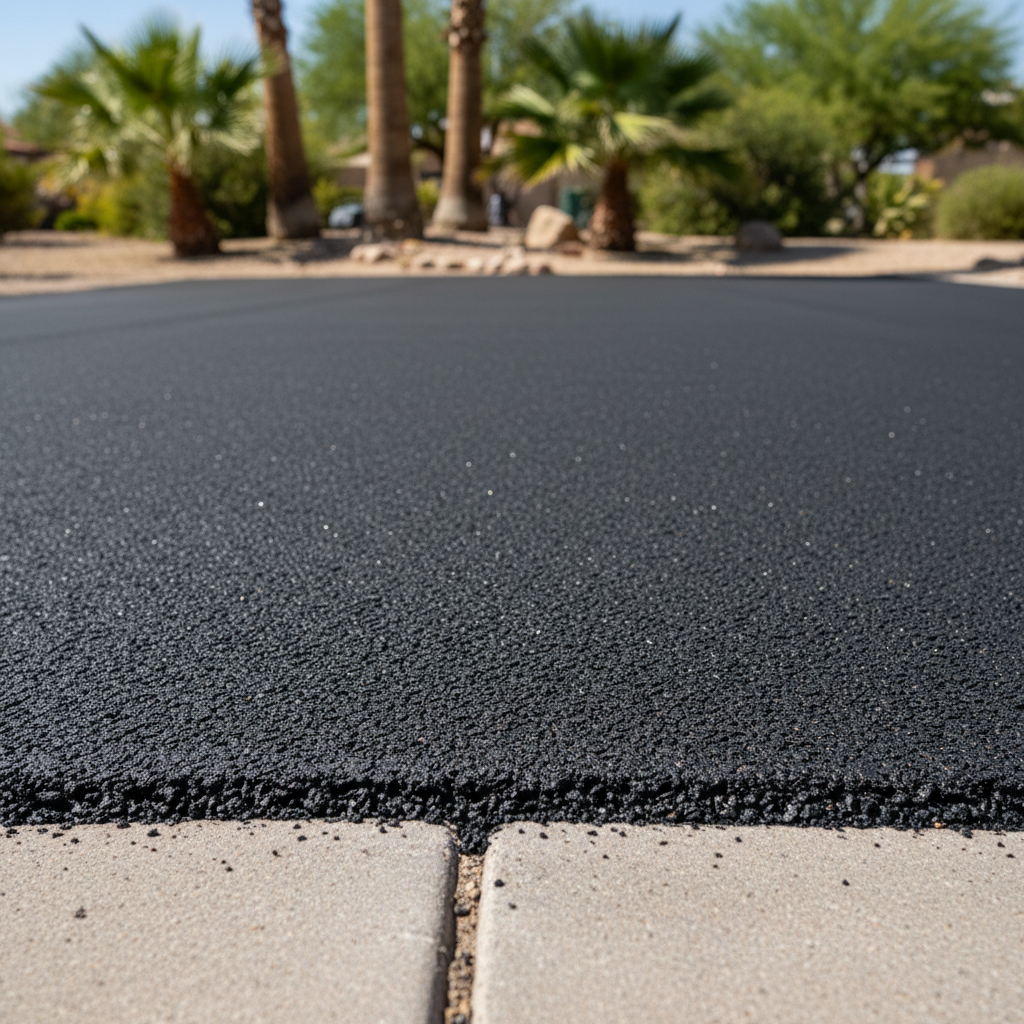
So, you're thinking about putting in a parking lot at your place here in El Mirage. Maybe your family's growing, and you've got more cars than driveway space. Or perhaps you're just tired of guests parking on the street. Whatever the reason, a well-built parking lot can really boost your property's function and value. But let's be real, it's a bigger project than just patching a pothole, isn't it? You'll want to know what you're getting into, what you can realistically tackle yourself, and when it's absolutely time to call in a pro like us at El Mirage Asphalt Paving.
Before the Shovel Hits the Dirt: Planning Your Project
Before any big machines even get near your property, you've got some homework to do. This planning stage is super important, and honestly, it's where you can save yourself a ton of headaches and money later on.
- Measure Twice, Pave Once: First things first, figure out the size and shape you really need. Don't just guess! Grab a tape measure and mark out the area. Think about how many cars you need to fit and how they'll move around. You want enough room for easy parking and turning, not some kind of bumper car free-for-all.
- Drainage is King, Especially in El Mirage: This is probably the most critical part of planning, no exaggeration. We get those intense monsoon rains here, and if your parking lot doesn't drain properly, you'll end up with standing water. That's a fast track to cracks and potholes, believe me. You need a good slope, usually at least 2%, to push water away from your home and the pavement itself. This isn't something you want to just wing. While you can eyeball a slight slope, getting it precise for proper runoff usually means bringing in a professional for grading.
- Check for Permits: Depending on how big your project is, you might need a permit from the city of El Mirage. It's always smart to check with the local planning office before you even start. A good contractor will help you figure this out, but hey, it's your property, so it's good to be in the know.
- DIY or Pro for Planning? You can definitely measure and sketch out your ideas. And sure, you can look up local permit requirements. But for precise grading plans and making sure your drainage can really stand up to our El Mirage weather, getting a pro to do a site evaluation is a really smart move. They'll check out the soil stability and drainage needs, which are absolutely crucial for how long your parking lot will last.
During the Build: What Happens on Paving Day (and the Days Before)
Once the planning is all wrapped up, it's time for the actual construction. This is when the big equipment rolls in, and frankly, most of this work is best left to the experts.
- Site Preparation: This means clearing out any old pavement, plants, or junk. Then, the ground needs to be leveled and compacted. This subgrade layer is the absolute foundation of your parking lot, and if it's not done right, your pavement simply won't last. The soil around Luke Air Force Base, for instance, can be pretty unique, and knowing how to compact it correctly makes all the difference.
- Base Layer Installation: After the subgrade, we lay down a stable, well-compacted aggregate base layer. This is usually crushed stone or gravel. It gives the asphalt strength and support. This layer needs to be thick enough and compacted just right.
- Asphalt Application: This is the part everyone pictures, right? Hot asphalt mix gets spread evenly, typically 2-4 inches thick for a residential parking lot, and then heavy rollers compact it down. Proper compaction is super important for durability and to stop problems like rutting and cracking.
- DIY or Pro for Construction? For anything beyond a very small patch, this is firmly in the