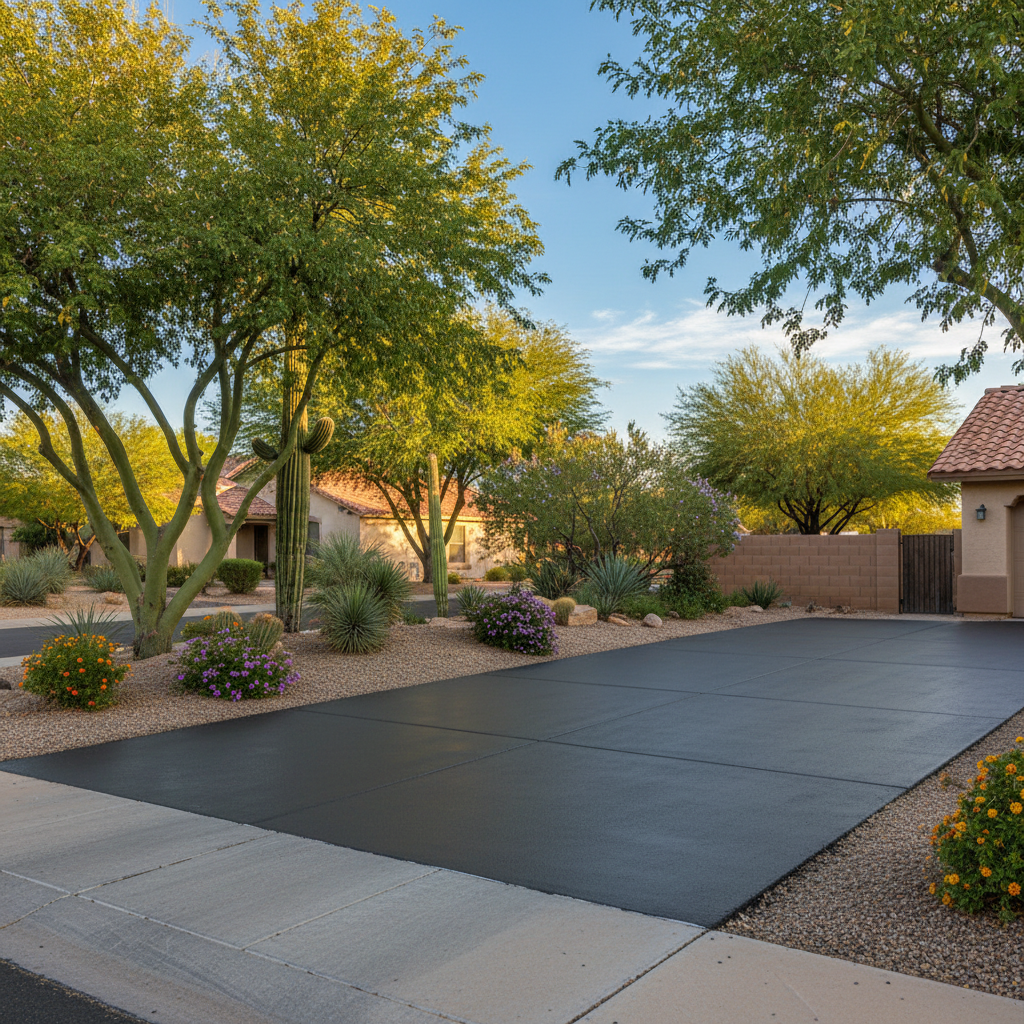
So, you just got a fresh slurry coat down, maybe on your driveway, parking lot, or private road. That's a smart move for protecting your asphalt, especially out here in El Mirage where the sun really bakes everything. But getting it done? That's only half the battle. If you want that investment to truly pay off and last as long as it should, you've got to take care of it. I'm talking about maintenance – not the kind that eats up all your time, but the smart kind that saves you money down the road.
Making Your Slurry Coat Last Longer in the Desert
Our Arizona sun is brutal. It's not just the heat, you know; it's the constant UV radiation that breaks down asphalt binders. That's actually why slurry coating is so important in the first place – it's a sacrificial layer, designed to take that beating. To really stretch its life, you need to keep stress off it. Heavy vehicles, especially those making sharp turns, are a big culprit. Try to encourage drivers to avoid tight turns in the same spot; that can scuff and tear the surface. If you've got a commercial property, maybe put up some clear signs for traffic flow.
Another thing to watch out for? Water. El Mirage doesn't get a ton of rain, sure, but when it does, it can really come down. Make sure your drainage is good. Puddles that sit for days, especially after a monsoon, can soften the slurry and lead to early wear. If you notice areas where water consistently pools, that's a problem that needs fixing, not just for the slurry, but for the asphalt underneath, too.
Regular Upkeep: What You Should Be Doing
Keeping a slurry coat in good shape isn't rocket science, but it does mean being consistent. Think of it like changing the oil in your car. You don't wait for the engine to seize up, right? Same idea here.
- Keep it Clean: Dirt, debris, leaves – they all hold moisture and can trap heat. Sweep or blow off your paved areas regularly. For stubborn spots, a light pressure wash (on a low setting, please; you don't want to blast the surface off) can work. Just make sure it dries quickly.
- Clean Spills Fast: Oil, gas, or other chemicals can eat away at the asphalt binder and the slurry. If you see a spill, clean it up right away. Kitty litter or absorbent pads work great for oil. Don't let it just sit there and soak in.
- Watch for Weeds: Weeds pushing up through cracks are a sign of bigger problems, but even small weeds on the surface can start to break things down. Pull them out by hand or use a targeted weed killer. Don't let them get established.
Honestly, a quick walk-around once a month is usually enough to catch most of these things early. It's all about being proactive, not waiting for a crisis.
Signs of Trouble
You've got eyes, so use 'em. Here are some red flags that tell you your slurry coat might be struggling and needs a closer look:
- Fading Color: The rich black color starts to turn gray. This means the top layer is oxidizing and wearing thin. It's not an emergency, but it's a sign its protective qualities are diminishing.
- Small Cracks: Hairline cracks, especially if they start to connect, are a big deal. Slurry is designed to seal minor cracks, but if new ones appear or existing ones grow, it means the asphalt underneath is moving or getting worse.
- Loose Aggregate/Sandy Texture: If you're seeing small, loose pieces of aggregate (looks like sand or tiny pebbles) on the surface, or if the surface feels rough and sandy when you walk on it, the slurry binder might be failing. That means the protective layer is breaking down.
- Potholes or Depressions: This is a clear sign the problem has gone beyond the slurry and is affecting the base. You'll need more than just a re-coat at this point.
- Water Ponding: I mentioned this before, but if you notice new areas where water collects and doesn't drain, it could mean settling or damage to the underlying structure. This is especially common in areas with our expansive desert soils that can shift with moisture changes.
When to Call a Pro
Look, you don't need to be an asphalt expert; that's my job. But knowing when to pick up the phone can save you a lot of headaches and money. You should definitely call us at El Mirage Asphalt Paving if you see:
- Widespread cracking: More than just a few isolated cracks. If it looks like alligator skin, that's a serious issue.
- Potholes or significant depressions: These need proper patching and repair, not just a re-slurry.
- Large areas of loose aggregate: If the surface is consistently flaking or eroding over a big section.
- Persistent drainage issues: If water is always sitting in the same spot, it's causing damage you can't fix with a broom.
- If it's been 5-7 years since your last slurry coat: Even with good maintenance, slurry coats have a lifespan. We can assess if it's time for a fresh application to keep your asphalt protected.
Don't wait until a small problem turns into a major repair. A little attention now can mean many more years of a great-looking, well-protected paved surface. That's just smart property management, plain and simple.