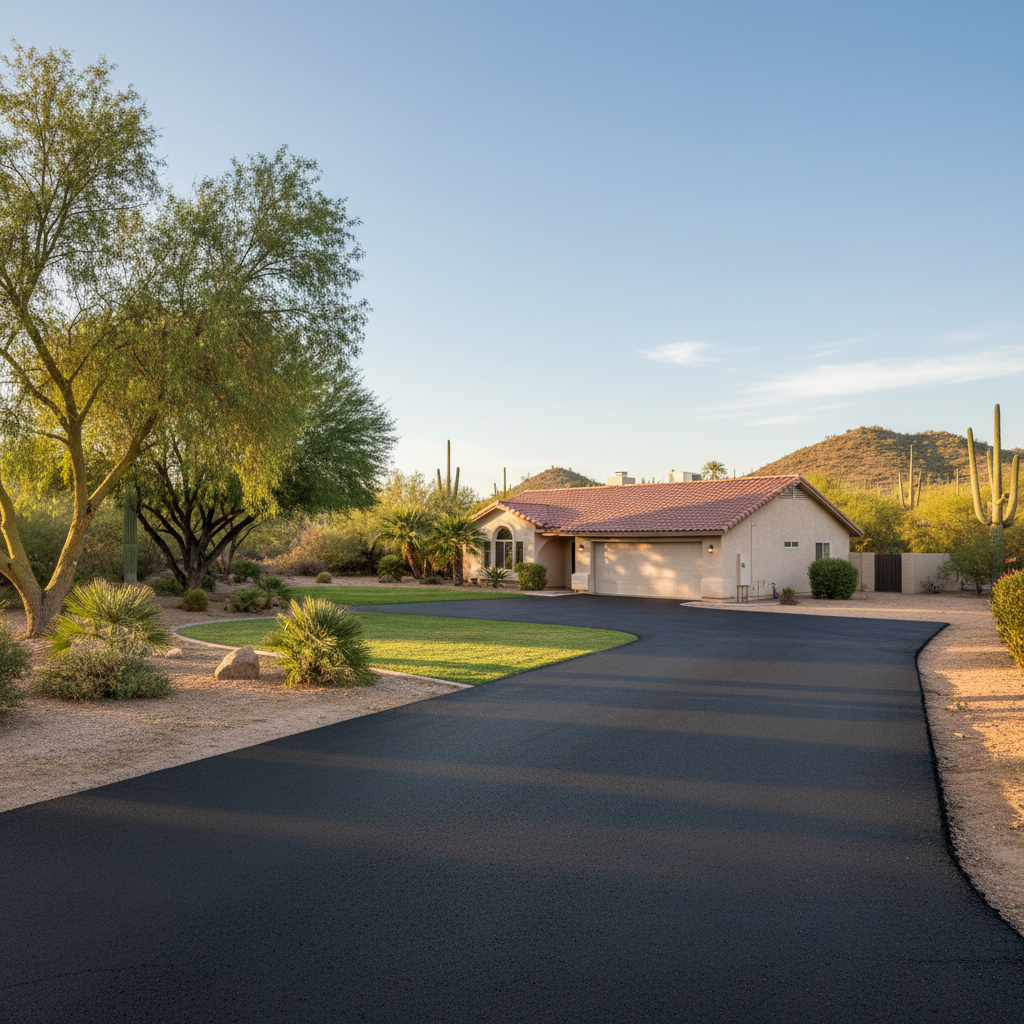
Alright, so you're thinking about getting that driveway paved, huh? Maybe it's cracked all to heck, or you're finally tired of the dust. Whatever the reason, a new asphalt driveway is a solid investment for your El Mirage home. But it's not just about calling someone up and saying, 'Pave it!' There's a bit of planning involved if you want it done right and without headaches. I've been doing this for years, and I've seen it all, good and bad. Let's talk about how to plan your project so you get exactly what you're paying for.
Understanding the Timeline: What to Expect
People often ask me, 'How long does a new driveway take?' And the answer, like most things in construction, is 'it depends.' But I can give you a general idea for a typical residential driveway here in El Mirage.
- Initial Contact & Estimate (1-2 weeks): First, you'll reach out to a few contractors. They'll come out, measure, check out your existing situation (drainage, sub-base issues, that kind of thing), and give you a quote. Don't rush this part. Get at least three bids, really.
- Scheduling (2-4 weeks out, maybe more): Once you pick a contractor and sign a contract, you'll get on their schedule. Good contractors are usually booked out a few weeks. If someone can start tomorrow, that's often a red flag, wouldn't you say?
- Permits (Varies, if needed): Most residential driveway repaves don't need a permit in El Mirage unless you're significantly changing the footprint or tying into city right-of-way. But always double-check with your contractor and the city, just to be safe.
- Actual Work (2-5 days): This is the hands-on part.
- Day 1: Demolition & Grading. We'll rip out the old stuff, haul it away, and then get the sub-base graded and compacted. This is crucial for drainage and longevity, believe me.
- Day 2: Base Layer. We might lay down a new aggregate base, compact it, and get it ready. Sometimes this can happen on day 1 if it's a smaller job.
- Day 3-4: Paving. The asphalt goes down! This is usually one or two layers, depending on the specs. Then it gets rolled and compacted.
- Day 5 (or later): Curing. The asphalt needs time to cure. You won't be driving on it immediately. I usually tell folks to wait 3-7 days, especially with our hot El Mirage sun, before driving heavy vehicles on it. Walking on it after 24-48 hours is usually fine.
So, from first call to driving on it, you're probably looking at anywhere from 4 to 8 weeks. Patience is a virtue here.
How to Prepare Your Property for Paving
Once you've got a date set, there are a few things you can do to make the process smoother for everyone:
- Clear the Area: Move your cars, RVs, boats, basketball hoops, trash cans, planters, and anything else that might be in the way of the driveway or the access path for our equipment. We're talking about heavy machinery here, so give us plenty of room.
- Trim Landscaping: If you have low-hanging branches or bushes right along the driveway edge, trim them back. It helps our crew work efficiently and prevents damage to your plants or our equipment.
- Mark Sprinklers/Utilities: If you know where your sprinkler heads or underground utility lines (like low-voltage landscape lighting) run near the driveway, mark them clearly with flags or spray paint. We'll do our best to avoid them, but knowing exactly where they are helps a lot.
- Secure Pets & Kids: Construction sites are not playgrounds. Keep your pets and children safely away from the work area during the entire process. There will be heavy equipment, hot asphalt, and moving parts.
- Plan for Access: Remember, you won't be able to use your driveway for a few days. Figure out where you'll park your vehicles during the work and the curing period.
What to Expect During the Paving Process
It's not always pretty, but it's effective. Here's a heads-up:
- Noise: There will be noise. Jackhammers, trucks, rollers, and general construction sounds. It's temporary, but be prepared.
- Dust: Especially during demolition and grading, there will be dust. We try to keep it to a minimum, but it's unavoidable.
- Smell: Fresh asphalt has a distinct smell. It dissipates pretty quickly, but you'll notice it for a day or two.
- Crew & Equipment: You'll have a crew of guys and a lot of equipment on your property. They're there to do a job, so let them work.
- Communication: A good contractor will keep you informed. If you have questions during the process, ask the foreman on site.
Critical Questions Before You Sign That Contract
Don't just go with the cheapest bid. That's a rookie mistake. Ask these questions:
- Are you licensed and insured? Get their license number and check it. Ask for proof of liability and worker's comp insurance. This protects *you* if something goes wrong.
- Can I see references or past projects? A reputable company will happily provide these. Ask for projects similar to yours in El Mirage or nearby.
- What's included in the quote? Get a detailed breakdown. Does it include demolition, hauling, grading, base material, asphalt layers (and thickness of each), compaction, and cleanup? What about drainage solutions?
- What kind of asphalt mix do you use? For residential driveways, you want a good quality mix designed for vehicle traffic. Don't be afraid to ask for the specs.
- What's your warranty? A good contractor will stand behind their work. What does the warranty cover and for how long?
- How do you handle drainage? This is huge, especially with our monsoon season. Water pooling on your driveway is a recipe for premature failure. Make sure they have a plan for proper grading and runoff.
- What's the payment schedule? Avoid contractors who demand 50% or more upfront. A reasonable deposit (10-20%) is common, with the balance due upon satisfactory completion.
- Who will be on site? Will there be a dedicated foreman? Who do I contact if I have questions during the project?
Asking these questions upfront will save you a lot of grief down the road. You're investing in your home, and you deserve a quality job. Here at El Mirage Asphalt Paving, we believe in being upfront and transparent. We want you to feel confident in your decision. Do your homework, ask the tough questions, and you'll end up with a driveway that lasts.